
Suppose an importer places a private-label order for two heated round brush sizes. The packing list shows the correct total, but the inspector opens a box marked 45 mm and finds a 38 mm brush. The order may still contain the right number of brushes. The buyer now has to find out which cartons can be booked into stock and sold under the codes on their labels.
A heated round brush pre-shipment inspection starts by matching finished stock to the purchase order, size by size. The inspector records the brush, its rating label and the carton together. The buyer holds the stock that may be affected until the supplier establishes whether the wrong brush went into the box, the box carries the wrong label or the rating on the unit needs checking. That finding determines what has to be corrected and checked again before dispatch.
Set the Inspection Scope from the Purchase Order
A mixed-size order needs a quantity for each stock-keeping unit (SKU). A packing list that gives one total for the M5002 range can be used to check the overall count. Checking the quantity by size requires a carton breakdown by SKU. Before the visit, the buyer and supplier can reconcile that breakdown with the signed order and identify any stock still being packed or reworked.
The private-label heated round brush order guide covers the choices made when placing the order. For the inspection, the buyer needs the final purchase order, the approved sample reference, the agreed specification and the approved artwork for the destination. The sample is the reference for fit and finish. The specification sets the required values and tolerances. If the two disagree, the buyer and supplier need to resolve that point before asking the inspector to make a decision on the lot.
The sampling plan sets out which finished stock is available for selection, how units are selected and which results require a hold. The report should identify the lots, cartons and sizes actually sampled. If one size is still being packed when the inspector arrives, its release stays open until the buyer has enough evidence to make a decision.
Follow the Mismatch from the Brush to the Carton
The inspector can start with the brush, its rating label and the retail pack from the same box. Photographs that show how those items were found, together with the carton reference, give the supplier a way to trace the error.
Match Barrel Size to Rated Power
Link Beauty’s M5002 heated round brush has three barrel sizes. The 32 mm version is rated at 60 W, the 38 mm version at 70 W and the 45 mm version at 90 W. For a wholesale order containing more than one size, those pairs belong on separate inspection lines. A shared model number can appear on several versions, so the inspector also needs the diameter and rated power to match the unit to the correct order line.
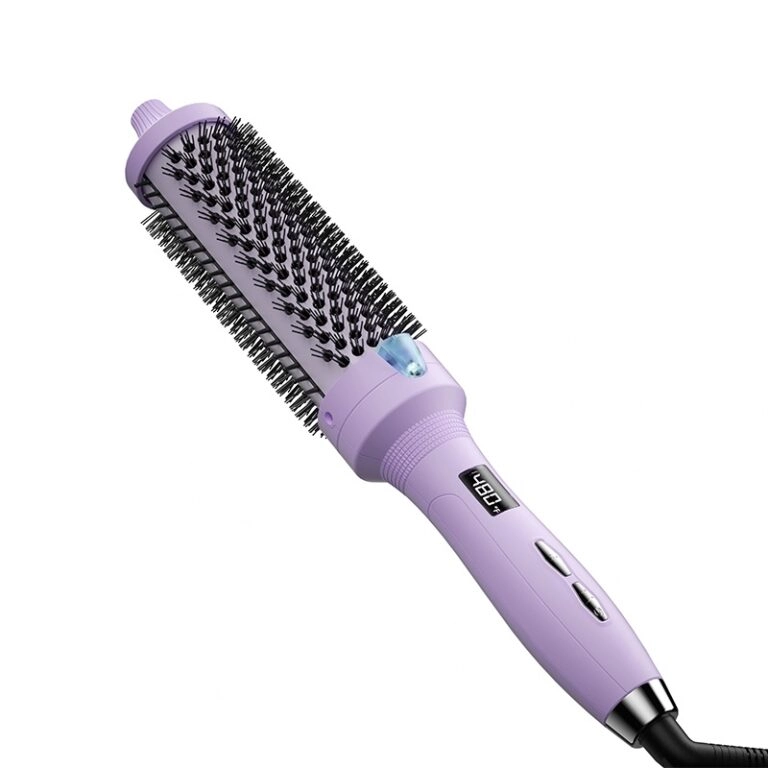
If a 38 mm brush marked 70 W is found in a 45 mm box, the inspector can start by checking the packing records and carton labels. If that same 38 mm brush is marked 90 W, the supplier’s technical team also needs to verify the actual electrical configuration against the approved specification. A replacement label can only be approved once the unit and its correct rating have been established. The inspection report should keep the carton code and the unit identifier together while the supplier checks the discrepancy.
Check the Retail Pack for the Destination
After identifying the brush, the inspector compares the size label, barcode and insert with the approved pack for that SKU. If two sizes share the same box design, the size sticker should match the SKU specified in the approved packaging artwork. A record that includes both the factory code and the buyer’s stock code helps the warehouse identify the corrected stock if the lot has to be sorted.
For a UK order, the inspection brief can specify the plug configuration, rating label and English instructions approved for that shipment. The inspector checks the unit and its accompanying paperwork together. If the same factory run is split across markets, the packing list also needs to show which cartons go to which destination.
Check Heating and Controls on the Sampled Units
Once the sampled brush matches the order, the inspector can run the agreed function checks. For the M5002, the report can record the selected temperature setting, what the LED display shows and how the controls respond. If the specification calls for a barrel surface temperature measurement, the buyer and supplier need to agree the instrument, measurement point, time allowed for the temperature to stabilise and acceptable range beforehand. The display reading alone does not establish the barrel surface temperature.
A function check records how the sampled units performed under the agreed conditions. The importer keeps the applicable conformity evidence for the version due to ship. If an inspector finds damaged insulation or unexpected heating, the affected stock stays on hold for technical review. If the supplier has changed a component since sample approval, the technical team needs to check whether the existing evidence still covers the production version.
If a measurement falls outside the agreed range, the report should retain the reading and the conditions under which it was taken. The buyer can then ask the supplier to review the finding against the same specification.

Decide Which Cartons Can Be Released
In the opening example, the first mismatch gives the buyer a carton to trace. The supplier can use its packing records to determine whether the problem is confined to one group of cartons. Until those records establish the extent of the mix-up, the hold covers all potentially affected stock. A correct total on the packing list is insufficient to narrow it.
Reinspect the Corrected Stock
For a packing error, the supplier’s correction record can show which cartons were opened, what was found and how the count by size was restored. The reinspection samples the corrected stock and repeats the checks that exposed the mix-up. If the unit’s rating was in doubt, the buyer needs the technical finding and the approved correction before deciding what the inspector must check again.
Record the Release by Lot and SKU
The M5002 barrel size guide describes the three variants. For a shipment, the warehouse SKU and signed artwork determine how each variant should be identified on its pack. The buyer records the lots, SKUs and quantities covered by the release. Stock outside the affected packing run can be considered separately if the supplier can trace it and the buyer has acceptable inspection evidence for it.
Conclusion
For a mixed-size M5002 order, the release record should let the warehouse match the cartons to the packing list without reopening the buyer’s decision. The size and rating need to match the order, the retail pack needs to match the unit inside, and any corrected stock needs a reinspection record. An M5002 wholesale or OEM enquiry with Link Beauty can include the destination, quantities by size and the checks and records required before dispatch. That gives both parties a common basis for agreeing the inspection scope.
FAQ
Can one inspection visit cover all three M5002 sizes?
Yes, if all three sizes are available and the inspection plan specifies how they will be represented. The report should show which variants and lots were sampled. If one size is missing from the inspection, the buyer can leave its release open and arrange a check for that stock.
Is a corrected carton label enough to release stock?
It can be enough to close a carton printing error once the brush, its rating and the approved stock code have been verified. A packing mix-up also calls for sorting and a count by size. A discrepancy in the unit’s own rating or electrical configuration needs a technical decision before release.
Who pays for reinspection if a heated round brush pre-shipment inspection fails?
The purchase order or inspection agreement determines who pays. Before booking the first visit, the buyer and supplier should agree who covers a return visit after a factory packing error and who covers extra checks added by the buyer.