
An OEM order has several clocks. The factory may be waiting for artwork while the brand team is waiting for a sample, and the retailer may already have an intake deadline. Hair dryer OEM lead time has to be agreed around those circumstances. A production duration alone cannot answer the buyer’s question about when the goods can be sold.
The receiving deadline gives the discussion a starting point. The model, quantity and proposed presentation explain what the purchase involves. Decisions still in progress belong beside that information, rather than being left in a separate email exchange. The resulting plan can show what has been agreed and what still prevents a firm date.
Define the Period Covered by the Quotation
The number in a quotation is easy to copy into a spreadsheet. The conditions beneath it are just as relevant to the comparison. The first check is whether the estimates cover the same part of the purchase.
Start Conditions and Working Days
An estimate may begin after sample approval, payment or completion of specified project information. The applicable conditions belong in the quotation. If an artwork decision remains open, a purchase order date cannot be assumed to start a period that depends on approved artwork. The record should show when the agreed prerequisites were completed.
Working days and calendar days also need to be distinguished. This is a small clarification with a direct effect on the planned completion date. Any stated holidays or shutdowns should be reflected in the project schedule, using the supplier’s confirmed calendar rather than a general assumption about the industry.
Goods Ready, Departure and Warehouse Receipt
“Delivery” might mean production completion, release for collection, departure or arrival at destination. The quotation needs to identify the event being promised. A date entered as “factory release” in the purchasing file should retain that meaning when it is passed to marketing; warehouse receipt is a separate entry until the transport plan connects them.
A model substitution needs a revised quotation or written confirmation of the earlier conditions. The update can name the product now being requested and the timing still under discussion. Similar appearance is not enough to carry over the original schedule. The buyer needs a response linked to the replacement version before treating that date as agreed.
Identify What Remains to Be Approved for MLB01
Link Beauty’s MLB01 smart sensor hair dryer is a 1200W platform with a 110,000 RPM brushless motor, three wind speeds and five temperature settings. Naming that configuration gives the timing inquiry a product identity. It does not establish material availability or a reserved production slot. The order schedule still has to be discussed against the quantity and work requested for that version.
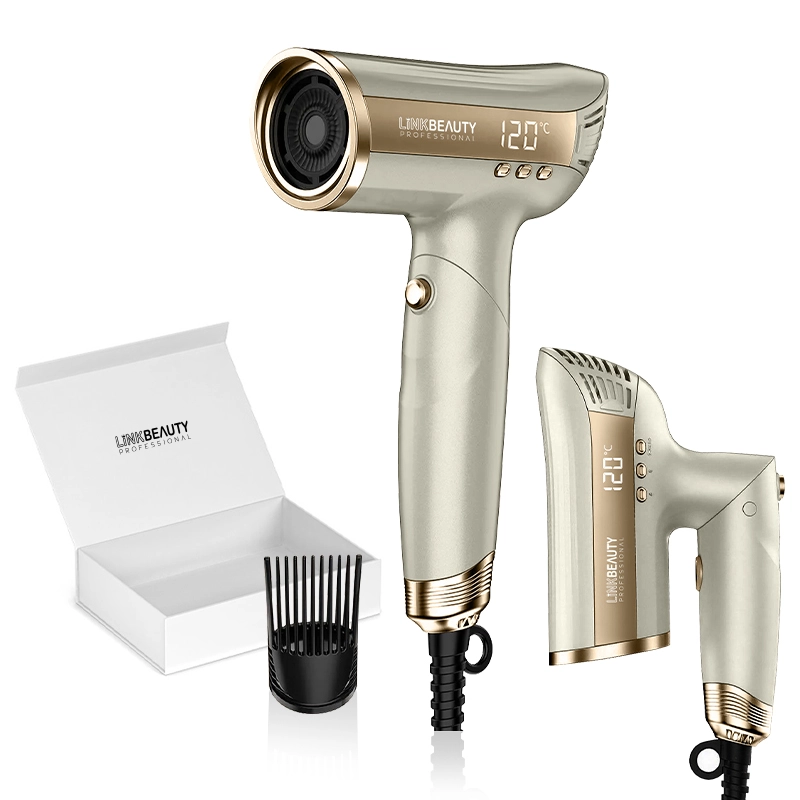
Color and branding can remain open after the appliance has been selected. For MLB01, Link Beauty accepts wholesale, OEM and private-label inquiries, including those customization discussions. The approval plan can identify the proposed treatment and the reference needed to accept it. The question for scheduling is whether that acceptance must be complete before the production interval starts.
An order update can use short headings such as awaiting buyer, awaiting supplier and approved. Each open entry can name the person handling it and the expected response date. That is enough to show an outstanding color decision or a missing artwork approval. The list remains useful only if an emailed request and an accepted result are recorded as different events.
Coordinate Approval Dates Before Production Release
Sample dispatch and sample approval belong on different lines of the calendar. The buyer needs review time after receipt, and the people approving the product may be different from those approving its retail presentation.
Sample Review and Decision Authority
Before dispatch, purchasing can arrange the review with the people who will sign off the result. The sample request can say whether the review covers the appliance, its branding or the retail presentation. Where those approvals belong to different departments, both review dates should be scheduled. A sample otherwise risks arriving before the right reviewers are ready to examine it.

The hair dryer sample evaluation checklist can define the acceptance work. In the timing record, space is needed for the review itself and for feedback to reach the supplier. If the review ends with a correction request, that item should remain open with a new review date. Acceptance of the other elements does not resolve the requested correction.
Parallel Preparation and Dependencies
Packaging preparation is an example of a scheduling dependency. It may be possible to start before every product decision is closed, provided the parties have agreed what can proceed. Could the remaining feedback make the prepared pack unusable? If so, the proposed overlap needs a decision on that exposure before it is treated as saved time.
An update saying “waiting for confirmation” leaves the next action unclear. The entry could instead identify the outstanding item, such as retail-box artwork, with the approver and next feedback date. A later update can record whether that approval was received and whether the production estimate has been confirmed. The history then explains why a date moved.
Plan Backward From Stock Available for Sale
The retailer’s intake requirement is worth obtaining before the order is scheduled. It may specify when goods must reach a distribution center, ahead of the public shelf date. For a direct-sales brand, the warehouse can identify its own receiving and release work. Those arrangements explain which arrival date procurement actually needs from the transport plan.
For a holiday promotion, the buying team should start with the channel’s actual stock deadline. A general expectation of strong seasonal sales cannot establish a production slot or a transport booking. The decision is whether the proposed route leaves enough time for the agreed work and the intended receiving arrangements.
The receiving requirement can be followed back through the proposed transport arrangement to goods released at the factory. Production and the remaining approvals sit ahead of that release. Showing each event on its own line makes the route easier to check. Any extra allowance for uncertainty should also be visible, with requested dates distinguished from dates the responsible party has confirmed.
Link Beauty’s production and testing setup includes hair dryer aging tests, production-line testing and laboratory facilities. For an MLB01 project, those capabilities provide a basis for discussing the checks needed before release. The actual scope, time required and records to be supplied should be agreed for the approved order, rather than inferred from the existence of the facilities. The Link Beauty production and testing information gives the team a starting point for that discussion.
Review the Schedule After a Specification Change
A change request can affect some parts of the order while leaving others untouched. For a proposed new finish, the supplier can identify whether another reference is needed and which existing approvals remain usable. The reply should also address the goods-ready estimate. The revised specification and revised date then travel together in the order record.
A proposed schedule reduction should identify exactly what would change. Simpler confirmed presentation, a different transport arrangement or a later launch might be alternatives, subject to agreement. Split shipments and accelerated production should not be presented as available until the project has been reviewed and the terms confirmed.
Put the Timing Request Into an Order Brief
The scheduling inquiry can be short, provided it contains the purchase details. Model MLB01, units requested, destination and proposed branding or color identify the work under discussion. A warehouse deadline explains the date constraint. Any approval still outstanding belongs in the same message, so the supplier does not have to reconstruct the current brief from earlier exchanges.
A conditional estimate needs a next step. The buyer should be able to see which response is outstanding and when the date will be reviewed again. Keeping that entry with the order gives the following update something to close or revise. It also leaves a record that can be shared when another department asks about the launch.
Conclusion
The order record should allow a purchasing manager to follow the proposed dates from approval through release and receipt. That is the practical test of a hair dryer OEM lead time quotation. If the production interval is clear but the receiving date is still unknown, the launch plan has another item to settle before it can be treated as confirmed.
An importer with MLB01 selected can send the quantity, destination and proposed color or branding through Link Beauty’s project inquiry form. The required warehouse date belongs in the same message, together with the approvals still open. That gives Link Beauty a defined scheduling request and allows the buying team to assess the reply against its actual launch deadline.
FAQ
Does an OEM production estimate include freight?
Freight is included only where that scope has been agreed. A production estimate ending at release for collection still leaves the onward journey to arrange. The quotation and transport plan should show how the dates connect, including the receiving location used when the arrival estimate was prepared.
Can production timing start before the sample is approved?
The quotation should establish the conditions for the production estimate. If approval of a sample is one of them, an unfinished review leaves that condition open. Any preparation authorized beforehand needs a separate description of the work permitted, so the buyer can see what has actually been released to proceed.
Should a repeat order use the previous delivery schedule?
The repeat inquiry can identify the version already approved and highlight anything that has changed. Quantity, branding, destination and the required receipt date should be current. The earlier delivery record is useful background, but a new response is needed before its timing is applied to the next purchase.